how we do it
LONGi contributes to climate action by reducing emissions across its operations and taking responsibility for environmental and societal impacts throughout its value chain. The company has established emissions reduction targets aligned with international frameworks and continues to increase the share of renewable electricity used in its operations. Its approach also extends to areas such as biodiversity and energy access, supported by structured governance, transparent reporting, and collaboration with international organizations.
LONGi has established emissions reduction targets aligned withthe Science Based Targets initiative, covering both operationsand the broader value chain. The company is committed to reaching net-zero emissions by 2050, supported by measurable progress across energy use, efficiency, and environmental impact.
LONGi is steadily transitioning toward lower-carbon manufacturing. In 2024, we achieved a 37% measured reduction in operational Scope 1 and 2 emissions and increased our share of renewable electricity to 47.5% across all facilities.
Efficiency is built into how we manufacture. We implemented 477 targeted energy-saving projects across our production sites in 2024, resulting in a measured impact of roughly 426 million kWh in expected annual electricity savings.
With approximately 90% of our emissions linked to Scope 3, we actively focus on upstream impacts across our suppliers and materials. Our net-zero value chain target by 2050 is fully aligned with the Science Based Targets initiative (SBTi).
We carefully manage our operations to avoid and minimize impact on local ecosystems. We are committed to achieving no net loss of biodiversity by 2050, and we aim to deliver a net positive biodiversity impact by restoring and enhancing ecosystems by 2060.
Standardized measurement ensures our data is reliable and comparable. We calculate our product emissions using lifecycle-based carbon assessments (ISO 14067) and hold 53 product carbon footprint certifications verified under strict international standards.
LONGi reduces operational emissions through continuous optimization of manufacturing processes, targeted efficiency programs, and increased use of renewable electricity.
Execution is supported by structured energy management systems and performance tracking across production sites. Manufacturing energy intensity has been reduced by more than 40% since 2020, reflecting ongoing improvements in process efficiencyand resource use.
Selected production sites are developed as zero-carbon factories. The Jiaxing manufacturing base, certified under ISO 14068, combines renewable electricity sourcing, energy efficiency measures, and emissions management and serves as a benchmark for low-carbon manufacturing within the photovoltaic industry.
LONGi addresses upstream emissions by embedding ESG criteria into procurementand working directly with suppliers on emissions reduction.
Supplier management is based on full ESG due diligence coverage across the primary supplier base, including 100% due diligence on conflict-related minerals. Requirements are formalized through a Supplier Code of Conduct and supported by ISO 20400-certified procurement processes.
Implementation includes structured supplier engagement and capability building. More than 50 suppliers have been required to conduct carbon audits as part of the Green Partner Empowerment Program. In parallel, training initiatives based on the UN Guiding Principles support risk identification and mitigation across the supply chain.
LONGi integrates climate targets into a structured ESG governance and management system to ensure consistent execution across the organization.
This includes a three-level governance structure covering board oversight through the Strategy and Sustainability Committee, management-level coordination, andoperational implementation through dedicated ESG teams. Risk management follows a “three lines of defense” framework, supported by formalized ESG policies and due diligence processes.
These structures are aligned with emerging regulatory requirements, including frameworks such as CSRD and CSDDD, which require companies to identify, manage, and disclose environmental and social impacts across their operations and value chains.
Execution is supported by data and verification systems, including carbon data management, traceability systems, and third-party assurance aligned with international standards such as GRI and ISO frameworks.
Implementation is reinforced through training and engagement programs across the organization and supply chain, including the LONGi eLearn Supplier Platform and structured ESG training initiatives.
LONGi’s ESG performance is assessed through leading international frameworks, providing transparent, comparable data on climate impact, supply chain responsibility, and corporate governance.

LONGi’s ESG performance is backed by verifiable data and certifications, enablingfaster approvals, reduced risk, and alignment with regulatory and investorrequirements.
LONGi provides product-level carbon footprint certifications across major markets,including ISO 14067 and national frameworks such as PPE2. This ensures that modules meet documentation requirements for regulated tenders and procurement processes.
ESG due diligence covers all new suppliers and high-risk suppliers, supported bystructured audits and traceability systems. Supplier requirements are defined through contractual standards and monitored through ongoing verification processes.
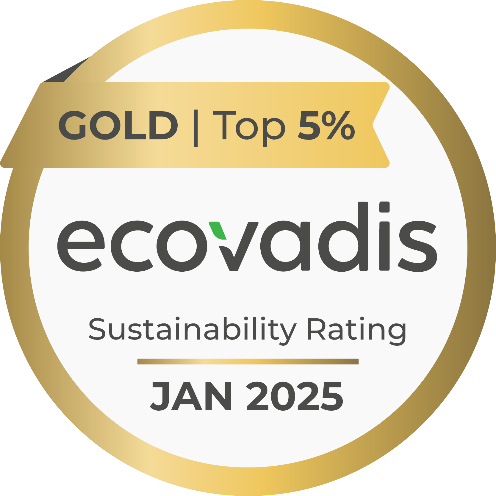
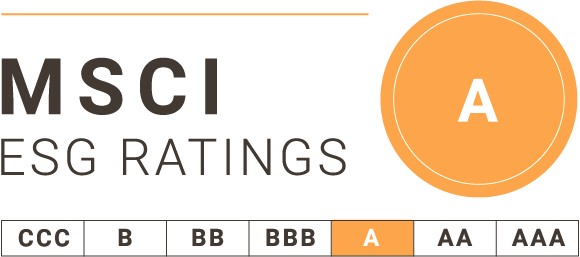
LONGi is rated by major ESG assessment bodies, including EcoVadis, S&P GlobalCSA, CDP, and MSCI. These ratings provide comparable benchmarks used by investors, lenders, and procurement teams.
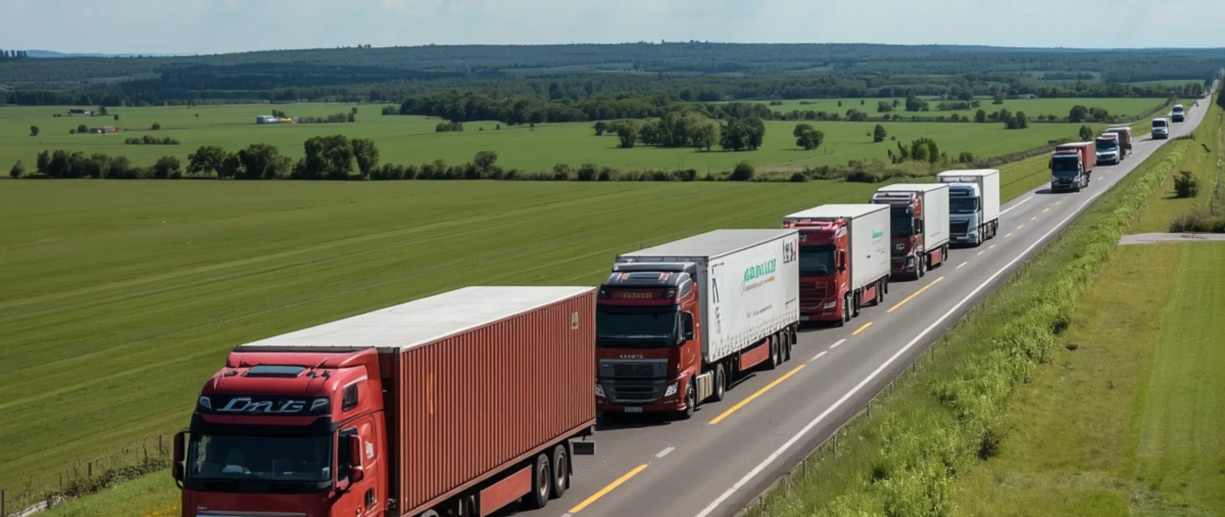
Standardized purchasing frameworks and verified vendor assessments help European solar energy projects satisfy strict ESG compliance rules.
Read Blog →
LONGi achieved 100 percent supplier due diligence coverage to provide the verifiable value chain data required for compliance in European solar procurement.
Read Blog →Behind every installation is a community with a need. These projects show what happens when clean energy meets humanitarian commitment.

In many parts of the world, access to clean water and reliable electricity is taken for granted. In rural regions of Mozambique, it can determine whether a health facility is able to operate safely at all.

LONGi’s global partnership with UNHCR, the UN Refugee Agency, continues to advance its mission of expanding clean energy access in humanitarian settings through BC solar technology
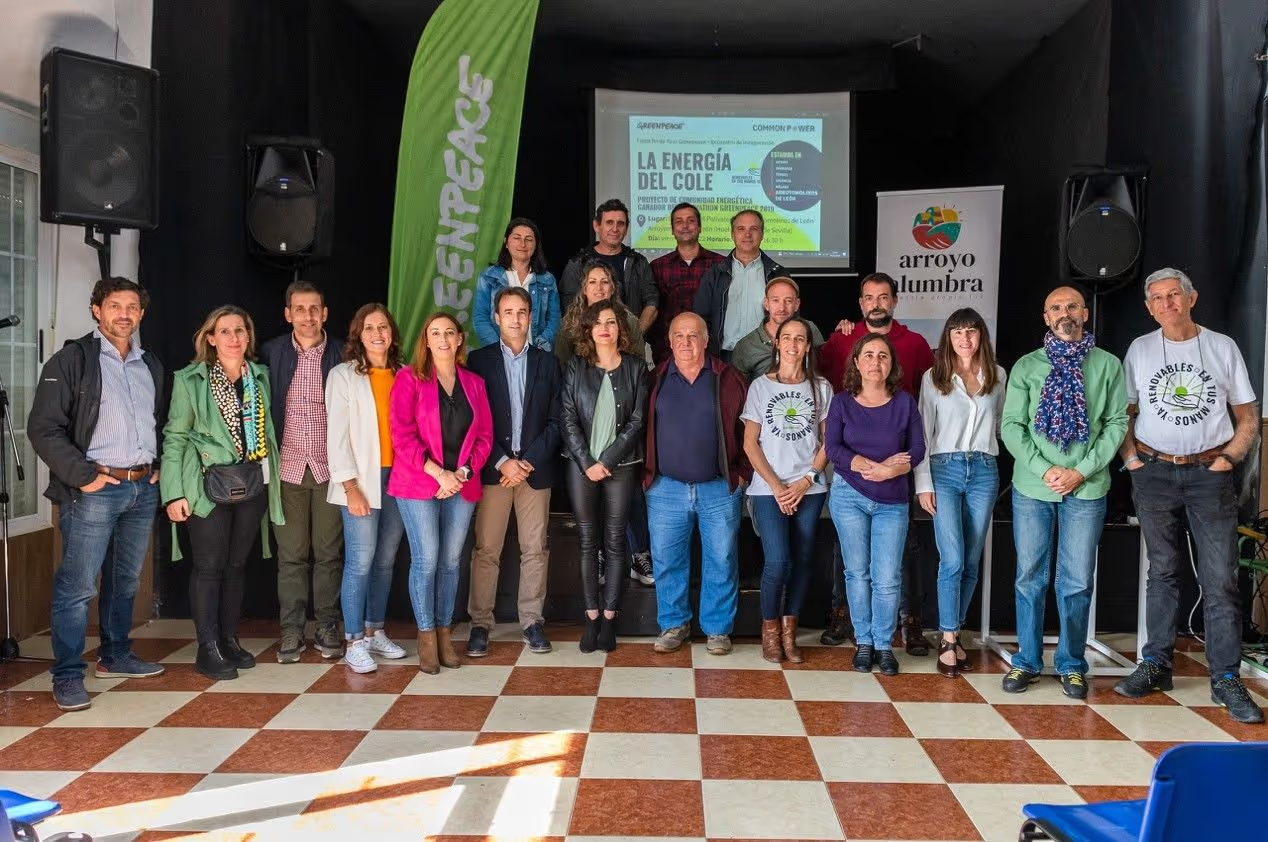
A rooftop solar installation at a rural school in the Huelva province of Spain demonstrates how local energy generation can support community-level energy access.
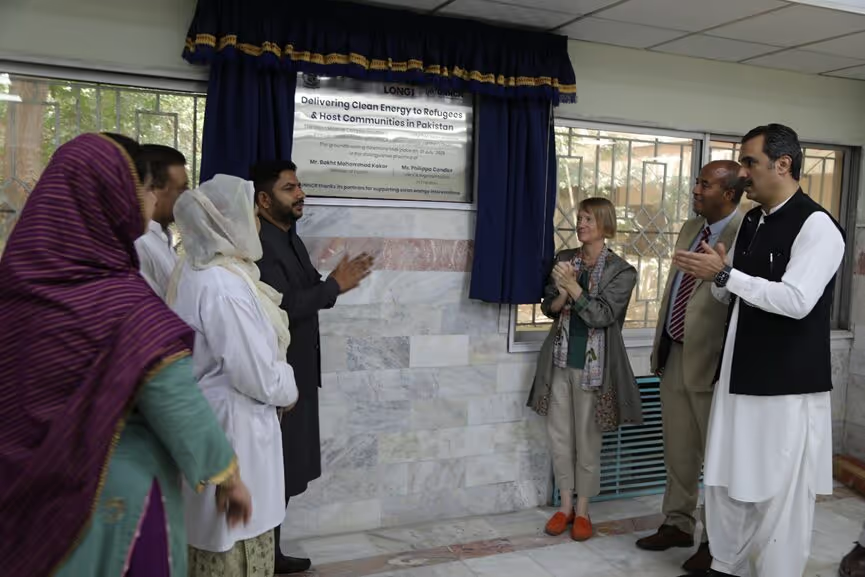
LONGi contributed to the solarization of the facility, supporting a transition toward a more stable and self-sufficient energy system.
Explore how LONGi's technology and ESG commitments support a
1.5°C-aligned future and what that looks like for the communities
and projects you work with.