how we do it
LONGi develops solar technology based on a single principle: maximizing energy efficiency across the full lifecycle of a photovoltaic system. This approach is centered on back contact technology, which forms the foundation of the company’s entire product portfolio.
By focusing on this architecture, LONGi aims to increase energy output per square meter, reduce system complexity, and improve long-term performance. This connects technology development directly with ESG impact, including land use efficiency, resource utilization, and project economics.
Solar energy must expand quickly, but it does so under limits in land, materials, andinfrastructure. Efficiency defines how much electricity can be generated within thoselimits. Higher module efficiency increases output per square meter. This reduces theamount of land, materials, and system components needed to produce a givenvolume of electricity. Over the lifetime of a system, higher efficiency leads to moreenergy generated from the same inputs. This improves the carbon balance of solarpower and supports the replacement of fossil-based generation. Efficiency alsosupports scaling. More output can be delivered within existing grid connections andavailable surfaces, reducing the need for additional infrastructure. In ESG terms,efficiency links technology development with lower resource use, improved landutilization, and higher lifetime energy yield.
LONGi invests around 5% of its annual revenue in research and development, one ofthe highest levels in the photovoltaic industry. This sustained focus on cellarchitecture, materials, and manufacturing processes has made high-efficiencydesign a core part of the company’s technology approach.
Back contact technology forms the basis of LONGi’s product portfolio. Rear-sidecontacts increase the active light-absorbing area and reduce shading losses,improving efficiency and long-term performance. The design is also compatible withnext-generation architectures, including perovskite-based tandem cells.
LONGi integrates research results into manufacturing through advanced, data-drivenprocesses, including AI-supported inspection, machine learning, and digitalizedproduction systems. Facilities such as the Jiaxing base enable the industrialization ofhigh-efficiency BC technologies at scale, combining process optimization,automation, and traceability.
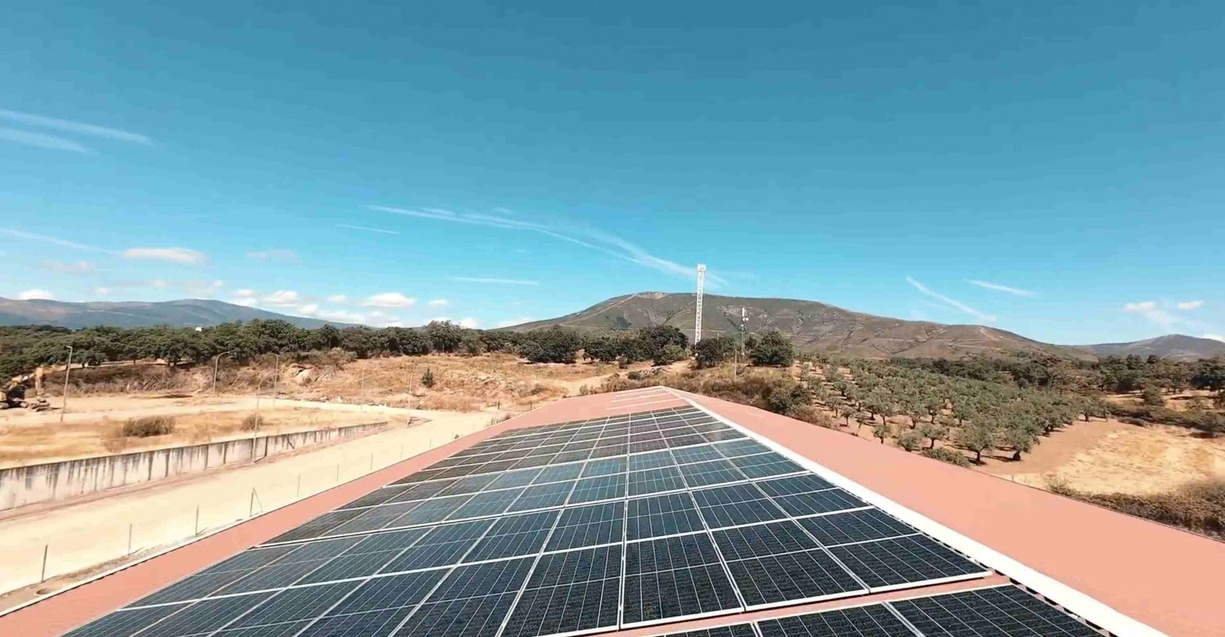
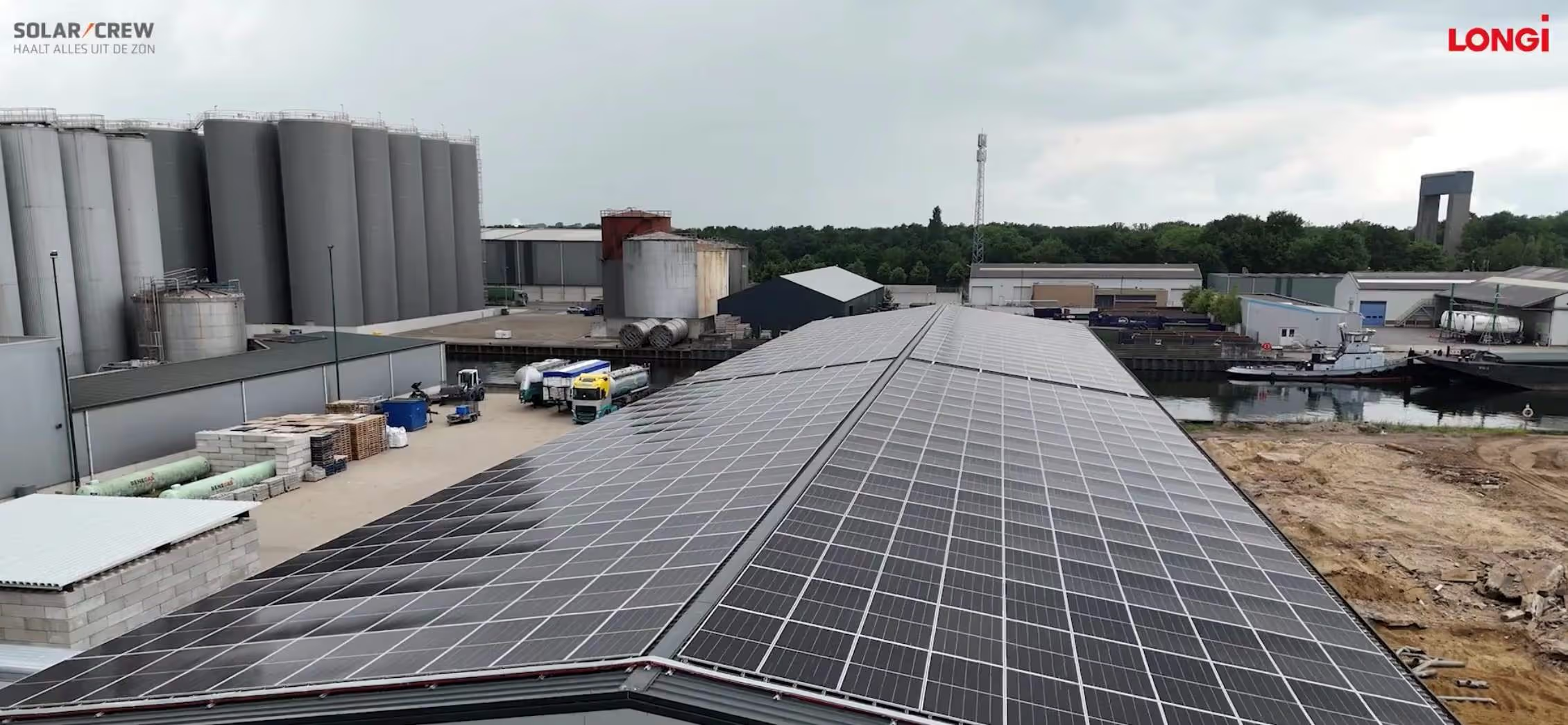
LONGi provides a broad module portfolio suited for a wide range of real-worldconditions, from rooftops to commercial and utility-scale applications. Module typesare adapted to environments such as space constraints, temperature extremes,glare-sensitive locations, partial shading, and water-based installations. This enablessolar deployment in locations that are often excluded, expanding the surface areaavailable for solar generation and supporting broader decarbonization.
LONGi’s ESG performance is assessed through leading international frameworks, providing transparent, comparable data on climate impact, supply chain responsibility, and corporate governance.


High-efficiency back contact modules increase electricity generation over the system lifetime. Systems using BC technology can achieve up to 10% higher energy yield under real operating conditions, depending on installation constraints. Higher yieldper installed capacity improves project economics and contributes to lower levelized cost of electricity (LCOE), supporting faster displacement of fossil-based generation.
Higher output per module reduces the number of modules required to reach a given system capacity. This lowers balance-of-system (BOS) requirements, including mounting structures, cabling, and installation effort. Fewer components per system simplify design and improve material efficiency, contributing to cost optimization at system level.
Module performance under real operating conditions determines long-term energy output. Low degradation rates, typically around 1% in the first year and approximately 0.35% annually, together with a favorable temperature coefficient, support stable performance across environments such as heat, humidity, and partial shading. This reduces lifetime yield losses and contributes to predictable system performance, supported by product warranties of up to 30 years.
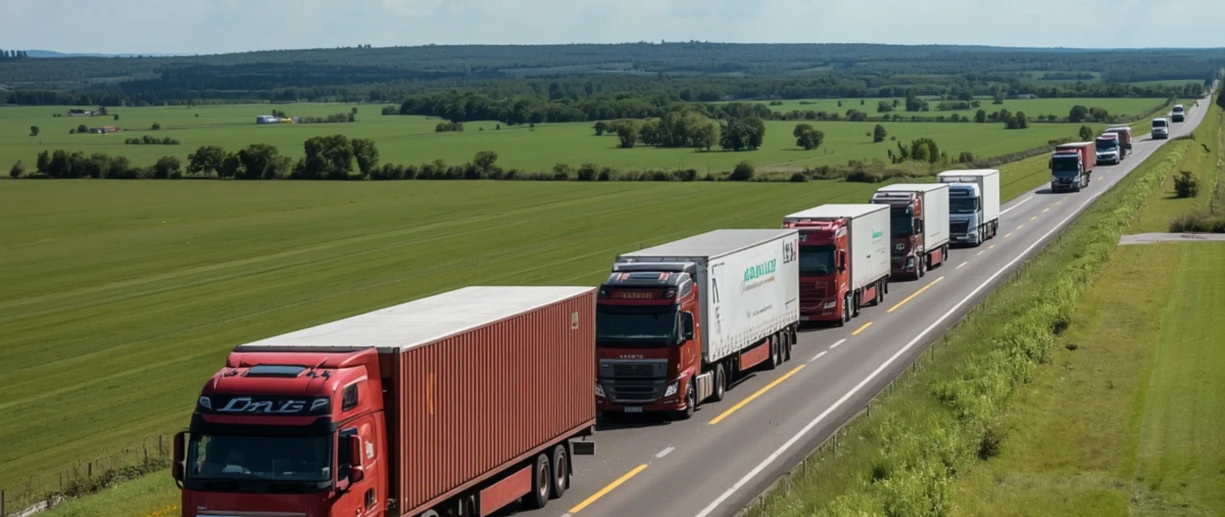
Standardized purchasing frameworks and verified vendor assessments help European solar energy projects satisfy strict ESG compliance rules.
Read Blog →
LONGi achieved 100 percent supplier due diligence coverage to provide the verifiable value chain data required for compliance in European solar procurement.
Read Blog →From energy yield to long-term reliability, see how LONGi's
high-efficiency modules deliver results that matter for
investors, developers, and ESG teams.