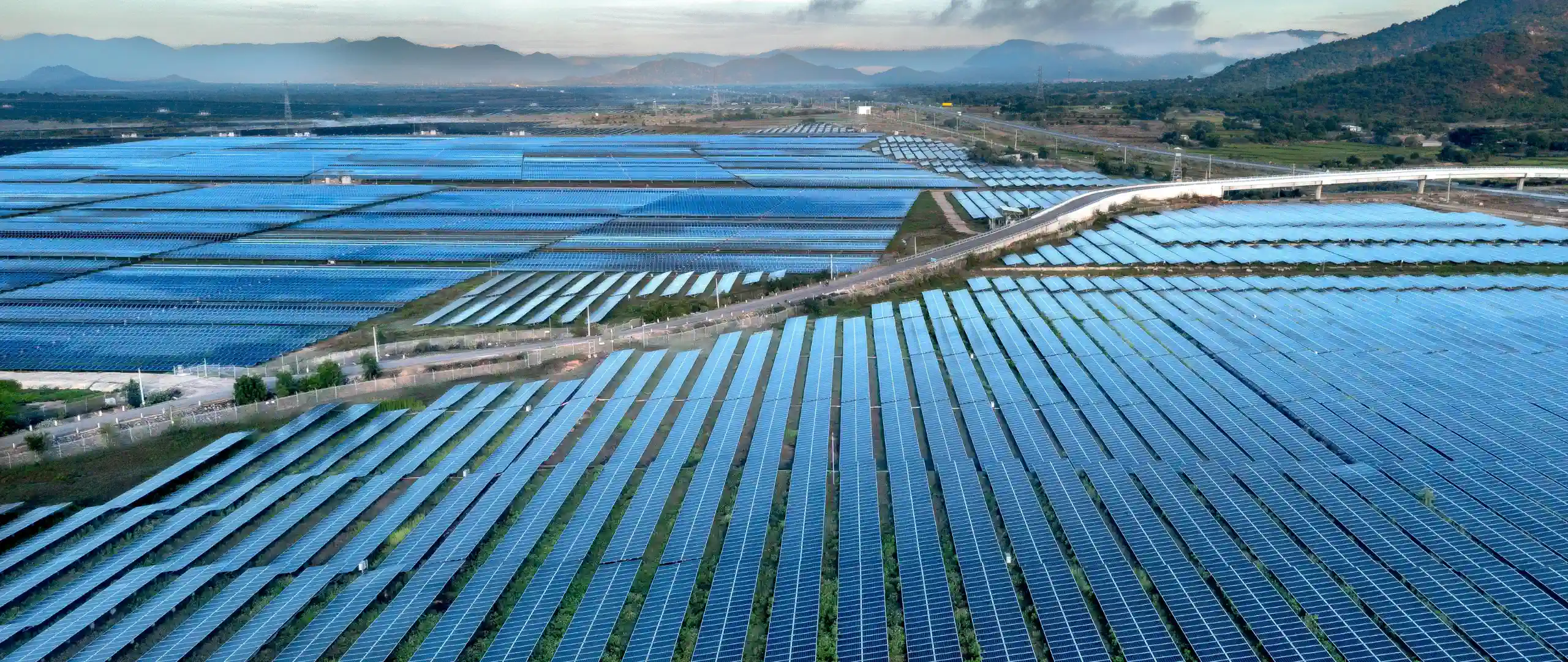
Solar installation at Bolan Medical Complex supports healthcare services in Pakistan
Date
July 1, 2025
read time
3
Minutes
Subscribe to the LONGi Newsletter

Reliable electricity is essential for healthcare infrastructure, yet many facilities in regions with limited grid stability continue to face operational challenges. At the Bolan Medical Complex in Quetta, Pakistan, energy supply directly affects the delivery of medical services for both Afghan refugees and local communities.
In cooperation with the United Nations High Commissioner for Refugees, LONGi contributed to the solarization of the facility, supporting a transition toward a more stable and self-sufficient energy system.
Solar system meets full energy demand of a major regional hospital
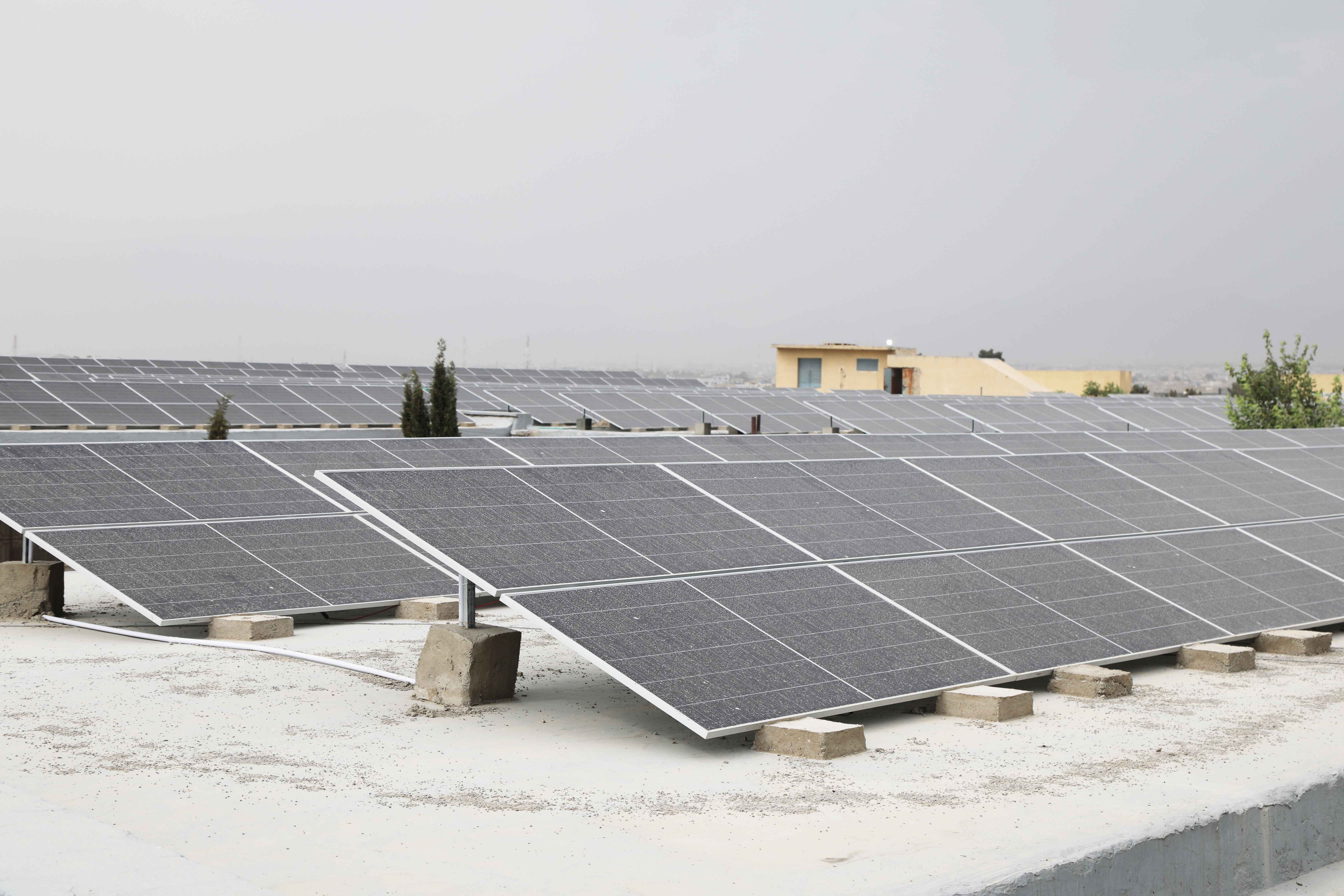
The photovoltaic installation at Bolan Medical Complex generates approximately 1.16 million kilowatt-hours of electricity annually, covering the hospital’s entire energy demand. The system is expected to deliver cost savings of around PKR 70 million per year and reduce carbon emissions by approximately 468 tonnes annually.
As one of the largest hospitals in Balochistan, the facility serves a broad population, including Afghan refugees and host communities. Ensuring a reliable energy supply is therefore directly linked to maintaining consistent healthcare services.
High-efficiency module technology supports operation in demanding conditions
LONGi supplied Hi-MO 9 modules for the project, based on HPBC 2.0 back contact technology. The modules deliver a power output of up to 670 W with a conversion efficiency of up to 24.8%.
The system is designed to perform under challenging environmental conditions, including high temperatures and humidity levels. Low degradation characteristics support stable output over time, which is critical for infrastructure that depends on continuous energy availability.
Stable electricity improves reliability of medical services
Access to a consistent energy supply supports the operation of essential hospital infrastructure, including medical equipment, refrigeration systems, and lighting.
For healthcare providers, improved energy reliability enables more predictable operations and reduces disruptions caused by power outages. For patients, this contributes to more consistent access to treatment and care.
Project implementation supported by public and international partners
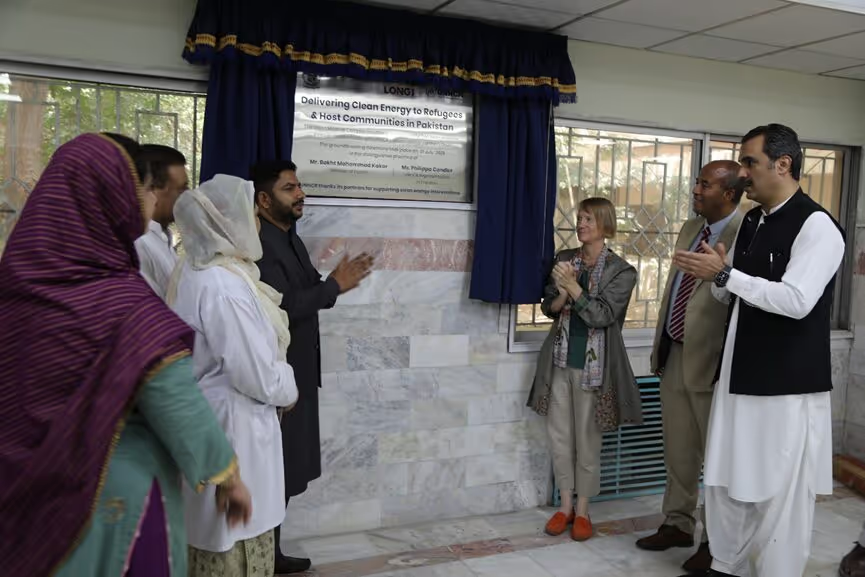
The project was formally inaugurated at Bolan Medical Complex in the presence of representatives from the Government of Balochistan, UNHCR, and the hospital administration. Participants included the Special Secretary of the Health Department, the UNHCR Representative in Pakistan, and senior officials responsible for refugee affairs and healthcare services in the region.
The initiative forms part of a broader effort to strengthen infrastructure in areas hosting refugee populations and to improve service delivery through targeted investments in energy and healthcare systems.
Solar deployment complements broader healthcare support programs
The solar installation builds on previous support provided to the facility. In 2024, UNHCR supplied medical equipment including ICU beds, ECG machines, and specialized instruments for clinical departments.
Earlier investments included advanced diagnostic and treatment technologies, such as endoscopy systems, imaging solutions, and electrosurgical equipment. These upgrades have expanded the hospital’s capacity to provide medical services to both refugee and host communities.
Linking energy infrastructure with long-term healthcare resilience
The integration of solar energy into hospital operations demonstrates how targeted infrastructure investments can improve service reliability in regions with constrained energy systems.
By combining energy supply with healthcare capacity building, the project supports more stable operations and contributes to long-term resilience in public service delivery.

Lorem ipsum dolor sit amet, consectetur adipiscing elit. Suspendisse varius enim in eros elementum tristique. Duis cursus, mi quis viverra ornare, eros dolor interdum nulla, ut commodo diam libero vitae erat. Aenean faucibus nibh et justo cursus id rutrum lorem imperdiet. Nunc ut sem vitae risus tristique posuere.
.jpg)