Green electricity in manufacturing significantly reduces the carbon footprint of solar modules

Date
May 13, 2026
read time
3
Minutes
Subscribe to the LONGi Newsletter

Clean energy use in production ensures that solar technology remains compliant with European standards
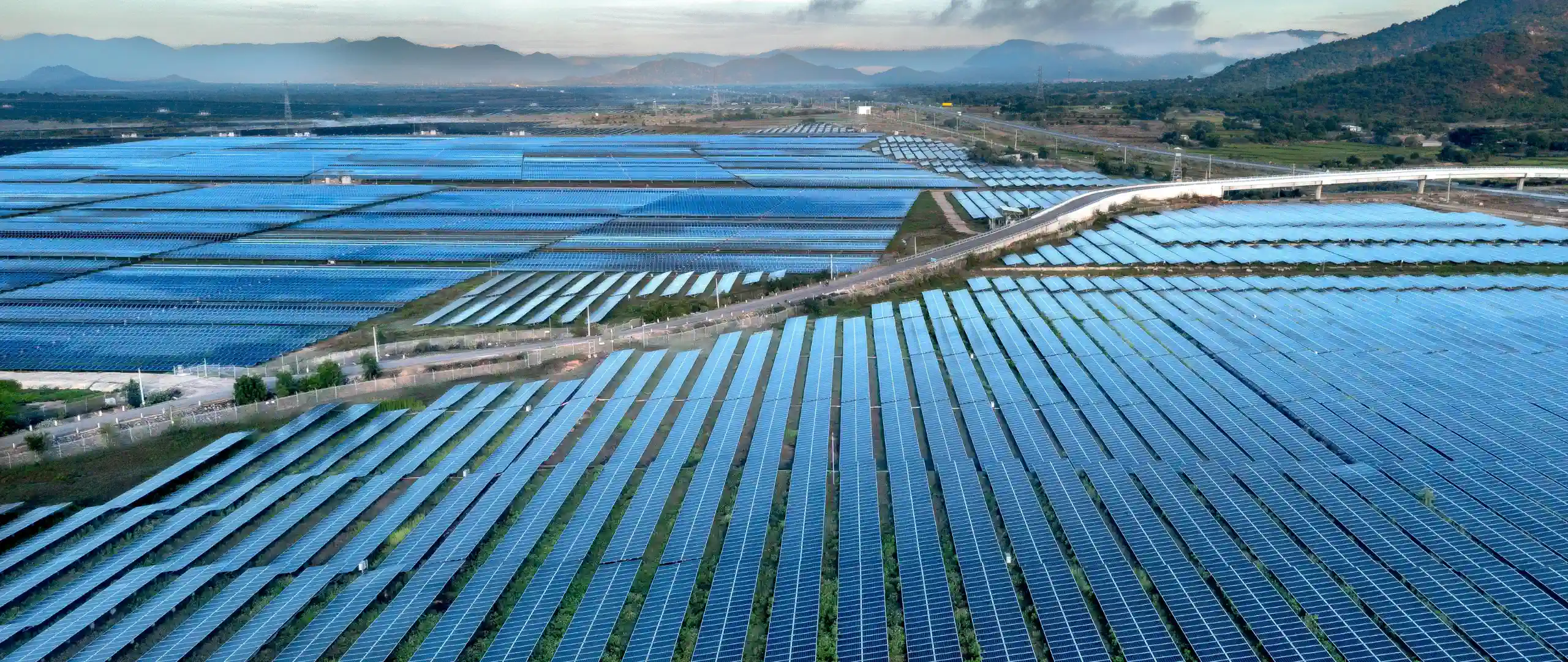
Manufacturing solar modules now involves a 47.5 percent share of renewable electricity across global factory operations. European project developers require this transparency to calculate the environmental impact of their energy portfolios. High electricity use in wafer and cell production makes the switch to green power a critical step for meeting climate targets. Manufacturing solar modules with green electricity is a functional requirement to lower project emissions and satisfy European standards. LONGi meets this need by sourcing 47.5 percent of its global manufacturing electricity from renewable power.
Silicon processing relies on targeted renewable energy procurement
Silicon ingot and wafer production are the most energy-intensive parts of the solar supply chain. Wind and solar energy alongside hydropower now provide nearly half of the electricity needed to run these resource-heavy factory stages. LONGi sources nearly half of the power for its global factories from renewable energy to decrease the carbon intensity of every module produced. Factory teams use on-site generation and external green power agreements to ensure the energy used supports a low-carbon economy. Carbon payback periods for solar installations shorten when the hardware is built using these sustainable energy sources.
Verifiable data simplifies carbon reporting for European developers
Investors use precise manufacturing data to meet the requirements of the Corporate Sustainability Reporting Directive (CSRD). Digital records of the 47.5 percent renewable energy share allow project owners to prove they have lower indirect emissions. Reliable documentation of the energy mix used in production helps speed up the permitting process for new solar parks. Accurate energy reporting is a decisive factor for the long-term success and eligibility of projects in national energy auctions. Bankability improves when financial institutions can verify the environmental impact of the equipment through certified reports.
Low-carbon production protects the financial viability of energy projects
Future project success in Europe depends on using hardware that meets strict environmental criteria from the moment it leaves the factory. Consistent adoption of green electricity protects the supply chain against rising carbon prices and new border regulations. Industry milestones in renewable energy use show that cleaning up heavy manufacturing is technically possible and economically sound. Projects remain competitive when they use modules that contribute to a lower total environmental footprint.
The use of renewable electricity in solar manufacturing is becoming a key factor in meeting European carbon reporting and procurement requirements.

Lorem ipsum dolor sit amet, consectetur adipiscing elit. Suspendisse varius enim in eros elementum tristique. Duis cursus, mi quis viverra ornare, eros dolor interdum nulla, ut commodo diam libero vitae erat. Aenean faucibus nibh et justo cursus id rutrum lorem imperdiet. Nunc ut sem vitae risus tristique posuere.
.avif)