Wie eine 1-MW-Solaranlage in Polen Energievolatilität in langfristige Renditen umwandelt
Datum
January 28, 2026
Lesezeit
3
Minuten
Abonnieren Sie den LONGi Newsletter

Die Volatilität der Energieversorgung zwingt polnische Unternehmen zur Einführung der Stromerzeugung vor Ort
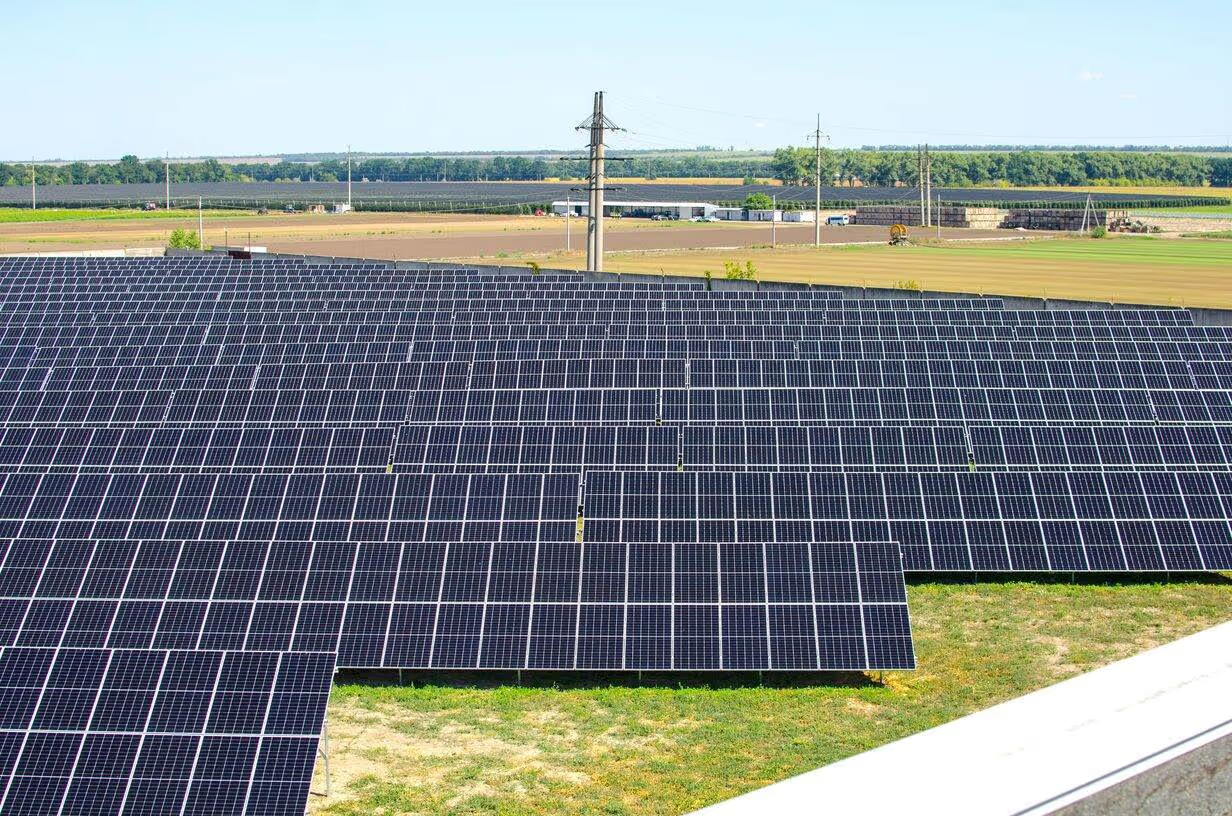
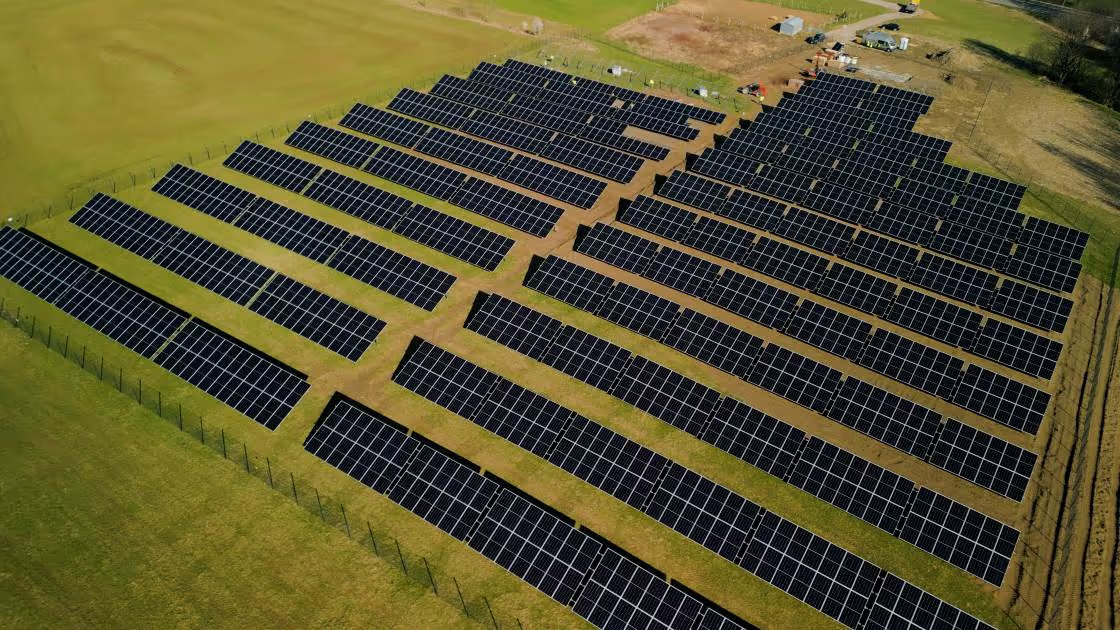
In der hügeligen Landschaft von Międzyrzecz Górny in Südpolen spiegelt ein neues Energieprojekt einen umfassenderen Wandel wider, der im ganzen Land stattfindet. Das Dorf selbst ist zwar nach wie vor eng mit der Tradition verbunden, aber seine Energieinfrastruktur bewegt sich in Richtung langfristiger Stabilität. Ein 1-MW-Photovoltaik-Kraftwerk, das mit der Rückkontakt-Technologie von LONGi entwickelt und in Zusammenarbeit mit dem EPC-Partner Ekosun gebaut wurde, ist ein praktisches Beispiel dafür, wie polnische Gewerbe- und Industriebetriebe mit zukunftsorientierten Lösungen auf die Volatilität der Energieversorgung reagieren.
Diese Installation ist mehr als eine technische Errungenschaft. Sie spiegelt eine strategische Entscheidung wider, die von steigenden Strompreisen, regulatorischen Unsicherheiten und der wachsenden Bedeutung vorhersehbarer Betriebskosten geprägt ist. In ganz Polen hat sich Energie von einer routinemäßigen Betriebskosten zu einem wichtigen Geschäftsrisiko entwickelt. Für viele C&I-Eigentümer ist die Kontrolle der langfristigen Energieexposition unverzichtbar geworden, um die Margen zu schützen und die betriebliche Kontinuität sicherzustellen.
Während sich Polen auf dem Energiemarkt weiterentwickelt, kommt es weiterhin zu Preisschwankungen und häufigen regulatorischen Anpassungen. Für gewerbliche Anlagen und Industriestandorte ist es zunehmend schwieriger geworden, die Stromkosten vorherzusagen. Die Dynamik der Kraftstoffpreise, Netzengpässe und allgemeine regionale Entwicklungen haben zu Unsicherheiten in der langfristigen Planung geführt.
Als Reaktion darauf bewerten Geschäftsinhaber neu, wie Energie in ihre Gesamtkostenstruktur passt. Anstatt sich ausschließlich auf Netzstrom zu verlassen, gewinnt die Erzeugung von Solarenergie vor Ort an Bedeutung, um die Kosten langfristig zu stabilisieren. Durch den Bau von Photovoltaikanlagen für den Eigenverbrauch oder den teilweisen Netzexport können C&I-Eigentümer einen Teil ihrer Energiekosten jahrzehntelang sichern und so das Risiko plötzlicher Preiserhöhungen verringern.
Spezifisches Systemdesign gewährleistet eine stabile Produktion und vorhersehbare finanzielle Renditen
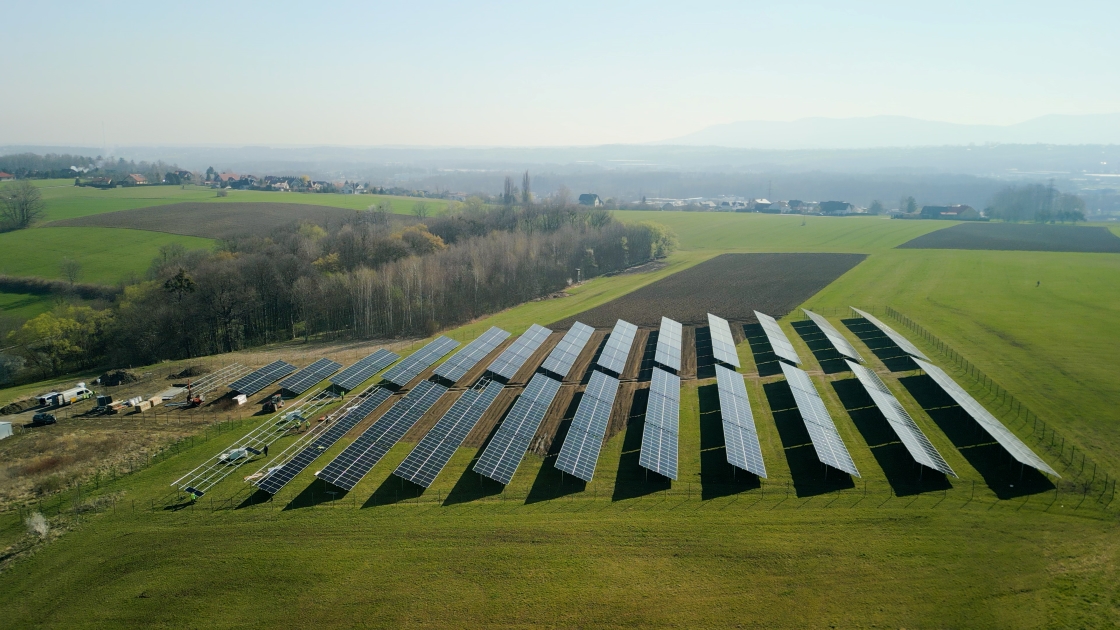
Die Photovoltaikanlage in Międzyrzecz Górny wurde unter Berücksichtigung dieser Geschäftsrealitäten entworfen. Das Projekt wurde auf einem Grundstück errichtet, das für die Nutzung erneuerbarer Energien vorgesehen ist, und Ekosun als EPC-Auftragnehmer realisierte. LONGi lieferte leistungsstarke Photovoltaikmodule und die wichtigsten technologischen Grundlagen für das System.
Sobald die Anlage voll funktionsfähig ist, wird sie voraussichtlich jedes Jahr etwa 1.004 MWh Strom erzeugen. Dieses Produktionsniveau bietet ein stabiles Energieertragsprofil, das eine vorhersehbare Finanzplanung unterstützt. Unter den derzeitigen Marktbedingungen in Polen kann eine solche Leistung zu erheblichen Einsparungen bei den Stromkosten durch den Eigenverbrauch sowie zu zusätzlichen Einnahmen führen, wenn überschüssiger Strom in das Netz eingespeist wird.
Die BC-Technologie gewährleistet Zuverlässigkeit unter realen polnischen Betriebsbedingungen
Eine gleichbleibende Langzeitleistung hängt nicht nur vom Systemdesign ab, sondern auch vom Verhalten der Module unter realen Bedingungen. Die Back-Contact-Technologie von LONGi spielt eine zentrale Rolle dabei, das ganze Jahr über eine stabile Leistung zu gewährleisten. Durch die Verlagerung aller elektrischen Kontakte auf die Rückseite der Solarzelle bleibt die Vorderseite vollständig verfügbar, um Sonnenlicht zu absorbieren, wodurch die Gesamtumwandlungseffizienz verbessert wird.
Für das polnische Klima ist einer der wichtigsten Vorteile die Leistung bei teilweiser Verschattung. Saisonale Bewölkung, niedrige Sonnenwinkel im Winter und die umliegende Infrastruktur können sich auf die tägliche Stromerzeugung auswirken. Rückkontakt-Module reduzieren die Leistungsverluste bei Beschattung erheblich und verringern das Risiko von Hotspots, sodass das System die Leistung auch dann aufrechterhalten kann, wenn die Bedingungen nicht ideal sind. Diese Zuverlässigkeit ist für C&I-Besitzer von entscheidender Bedeutung, da sie zur langfristigen Kostenplanung auf eine vorhersehbare Jahresproduktion angewiesen sind.
Solarinvestitionen mit LONGi-Technologie stärken die Widerstandsfähigkeit und das verantwortungsvolle Wachstum
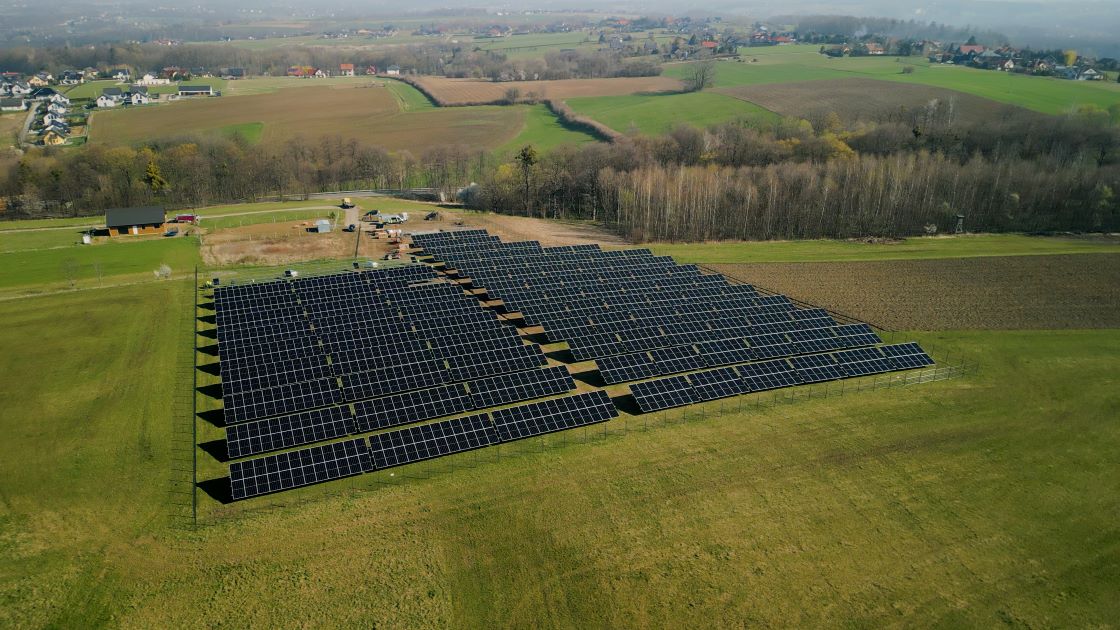
Neben den finanziellen Vorteilen trägt das Projekt auch zur umfassenderen Energiewende in Polen bei. Mit einer geschätzten jährlichen Reduzierung der CO₂-Emissionen um rund 470 Tonnen unterstützt die Anlage die nationalen Dekarbonisierungsziele und stärkt gleichzeitig das Umweltprofil des Geschäftsinhabers durch den Einsatz hocheffizienter LONGi Backkontaktmodule.
Für viele polnische Unternehmen wird Nachhaltigkeit zunehmend mit Resilienz und nicht nur mit Markenbildung in Verbindung gebracht. Die Verringerung der Abhängigkeit von volatilen Energiemärkten bei gleichzeitiger Senkung der Emissionen wird heute als praktische Geschäftsstrategie angesehen. Das Projekt Międzyrzecz Górny zeigt, wie kommerzielle Solaranlagen gleichzeitig für Betriebsstabilität, Kostenkontrolle und langfristige Wettbewerbsfähigkeit sorgen können.
Da die Energieunsicherheit weiterhin die Entscheidungsfindung in ganz Polen beeinflusst, bietet diese 1-MW-Solaranlage einen klaren Bezugspunkt. Es zeigt, wie bewährte Technologie, die in enger Zusammenarbeit mit dem EPC bereitgestellt wird, die Volatilität des Energieverbrauchs in einen langfristigen Wert für C&I-Eigentümer und Geschäftsbetreiber gleichermaßen verwandeln kann.

Lorem ipsum dolor sit amet, consectetur adipiscing elit. Suspendisse varius enim in eros elementum tristique. Duis cursus, mi quis viverra ornare, eros dolor interdum nulla, ut commodo diam libero vitae erat. Aenean faucibus nibh et justo cursus id rutrum lorem imperdiet. Nunc ut sem vitae risus tristique posuere.