Europe is becoming the global center for BIPV
Date
May 14, 2026
read time
5
Minutes
Subscribe to the LONGi Newsletter

For years, building-integrated photovoltaics (BIPV) occupied a relatively small segment of the solar industry, often associated with showcase architecture projects, experimental façades, or premium low-volume applications. That positioning is now changing rapidly. Across Europe, BIPV is increasingly moving from a specialized architectural niche into a strategic component of urban energy infrastructure. The shift is being driven by a combination of climate regulation, urbanization, land scarcity, rising electricity demand, and the growing pressure to transform buildings themselves into active energy assets.
Against this backdrop, photovoltaic manufacturers are increasingly developing technologies specifically suited for architecturally integrated solar applications. LONGi positions back contact technology as particularly relevant for BIPV environments due to its high efficiency, uniform appearance, and suitability for visually sensitive urban projects. As European cities place greater emphasis on multifunctional building surfaces and architecturally integrated energy generation, technologies that combine performance with visual integration are becoming increasingly important.
Europe has become the center of the global BIPV market
Europe is no longer a secondary market for building-integrated photovoltaics. A scientific review published in Renewable and Sustainable Energy Reviews estimates that the region represents approximately 42% of the global BIPV market, making it the world’s largest deployment area for integrated solar applications. Europe’s leading position is closely linked to climate regulation, dense urban environments, high energy prices, and advanced building standards. Countries such as Switzerland, the Netherlands, Italy, Austria, and Spain are repeatedly identified by the International Energy Agency’s PVPS Task 15 as leading BIPV markets due to their integration of photovoltaics into façades, renovation projects, and architecturally sensitive urban environments.
Grand View Research estimates the European BIPV market reached approximately USD 9.6 billion in 2024 and projects annual growth of 33.8% through 2030, significantly exceeding typical growth rates in the conventional construction sector. Rapid market expansion increasingly suggests that BIPV is moving beyond pilot-scale architectural applications toward broader commercial adoption across European building stock.
Europe’s future solar expansion also faces different structural limitations than many other regions. Large-scale utility projects continue to grow, but in dense urban areas, available land and rooftop space are becoming increasingly constrained. Integrated building surfaces are therefore attracting growing attention as an alternative pathway for continued solar deployment.
Regulation is becoming one of the strongest drivers of BIPV adoption
BIPV expansion in Europe is increasingly linked to regulation rather than architectural experimentation alone. Buildings account for approximately 40% of EU energy consumption and 36% of greenhouse gas emissions, according to the European Commission, placing the building sector at the center of Europe’s decarbonization strategy.
The revised Energy Performance of Buildings Directive (EPBD), the EU Renovation Wave, and national solar mandates are gradually transforming buildings from passive energy consumers into active energy-generating assets. Regulatory pressure is intensifying because Europe’s future solar expansion cannot rely exclusively on greenfield utility-scale projects.
Research published in Nature Energy indicates that rooftop photovoltaics already represented approximately 61% of installed EU solar capacity in 2024, equivalent to around 215 GWp. As rooftop deployment approaches physical and practical limits in dense cities, policymakers and urban planners are increasingly focusing on integrated façades and multifunctional building surfaces as part of long-term urban energy infrastructure.
BIPV is therefore becoming increasingly aligned with the development of net-zero and energy-positive buildings, where building envelopes are expected to contribute directly to on-site energy generation.
The strategic role of buildings themselves is also changing. Future construction is increasingly expected not only to reduce energy consumption, but also to contribute directly to electricity generation, grid stability, and urban electrification.

Urban constraints are increasing the strategic value of façade-integrated photovoltaics
The growing importance of BIPV in Europe is closely linked to structural limitations within the built environment itself. Land scarcity, permitting complexity, heritage protection, and urban density increasingly constrain conventional solar deployment across many European regions. In historic city centers and densely populated metropolitan areas, additional utility-scale expansion is often politically or physically difficult.
Urban constraints are gradually shifting attention toward vertical solar integration. A 2024 research preprint published on arXiv found that façade-integrated photovoltaics can achieve approximately 68% of the technical generation potential of rooftop PV on average, while in some dense urban environments façades may even outperform rooftops because the total available vertical surface area across buildings exceeds usable roof space.
Many commercial and residential districts across Europe contain large façade surfaces that remain energetically unused despite growing electricity demand from electrification, heat pumps, and electric mobility.
As European cities become denser, building surfaces themselves are increasingly turning into strategically valuable energy-producing assets.
BIPV changes photovoltaics from equipment into architecture
One of the biggest barriers to solar integration in urban Europe has never been electricity generation itself, but visual acceptance. Conventional photovoltaic modules were designed primarily for maximum output and industrial scalability, not for integration into highly visible building envelopes.
BIPV changes the relationship between architecture and solar technology. Instead of being mounted onto a building as an external technical addition, BIPV modules become part of the building envelope itself, replacing conventional façade materials, roof elements, glazing systems, or shading structures while simultaneously generating electricity.
Architects, planners, and urban developers therefore approach photovoltaics differently than in conventional rooftop installations. In Europe particularly, where urban identity, heritage protection, and architectural consistency play a central role in planning approval, visual integration has become a strategic requirement rather than a secondary design preference.
The International Energy Agency’s PVPS Task 15 highlights aesthetics and multifunctionality as central drivers of BIPV adoption across European markets. Modern BIPV systems are increasingly being developed around architectural requirements such as color consistency, glare control, transparency, texture, module uniformity, and seamless façade integration.
Growing deployment in historically sensitive environments also reflects the importance of visual integration. A European review published through the EU BUILD UP initiative documented more than 40 heritage-related BIPV renovation projects across countries including Switzerland, Italy, and Spain, many of which used specially adapted colored or textured photovoltaic modules to comply with architectural preservation requirements.
Solar modules are therefore no longer treated solely as energy devices placed onto buildings. Increasingly, they are expected to behave like architecture itself.
BIPV creates a new intersection between the solar industry and the construction industry
One of the most important shifts within the BIPV market is that the technology changes who the solar industry must collaborate with. Conventional photovoltaic projects are typically driven by EPCs, installers, and distributors. BIPV projects increasingly involve architects, façade planners, developers, construction companies, urban authorities, and heritage regulators.
Market dynamics consequently differ substantially from conventional solar deployment. Project cycles are often longer, planning processes become more complex, and photovoltaic systems must be integrated into the building concept from the earliest design stages.
At the same time, BIPV introduces a different economic model for solar deployment. Conventional photovoltaic systems are usually additional technical installations added onto buildings. BIPV systems can simultaneously function as façade cladding, roofing material, glazing, shading systems, weather protection, acoustic insulation, or thermal regulation.
Multifunctionality is increasingly becoming one of the strongest strategic arguments for integrated photovoltaics. The value no longer lies only in electricity generation, but in the ability of a single surface to fulfill architectural, structural, and energy-related functions simultaneously.
Back contact technology aligns with the architectural direction of BIPV
The development of BIPV is also accelerating due to advances in photovoltaic technology itself. High-efficiency back contact cell architectures are increasingly considered suitable for BIPV applications because they eliminate front-side metallization, improve visual uniformity, increase active surface area, and maintain more stable performance under partial shading and low-light conditions.
Such characteristics are particularly relevant for façades and architecturally integrated applications where visual consistency and performance under non-ideal orientation are critical. Unlike conventional cell designs with visible front-side busbars, back contact modules create darker, more uniform surfaces that more closely resemble conventional architectural materials.
The convergence of photovoltaic efficiency and architectural integration is becoming increasingly important as cities seek solar technologies capable of scaling without disrupting urban aesthetics, planning requirements, or historical preservation standards.
Europe is turning buildings into energy-producing assets
The broader direction of the European market is becoming increasingly clear. Buildings are no longer viewed solely as spaces that consume energy efficiently. Increasingly, they are expected to participate directly in energy generation, electrification, and local grid stabilization.
BIPV therefore occupies an increasingly strategic position within Europe’s urban energy transition. The technology addresses several structural European challenges simultaneously: limited urban space, growing electricity demand, stricter building regulation, permitting complexity, architectural acceptance, and decarbonization pressure.
As European cities continue to integrate energy generation directly into the built environment, technologies that combine high efficiency with architectural integration are expected to play an increasingly important role.
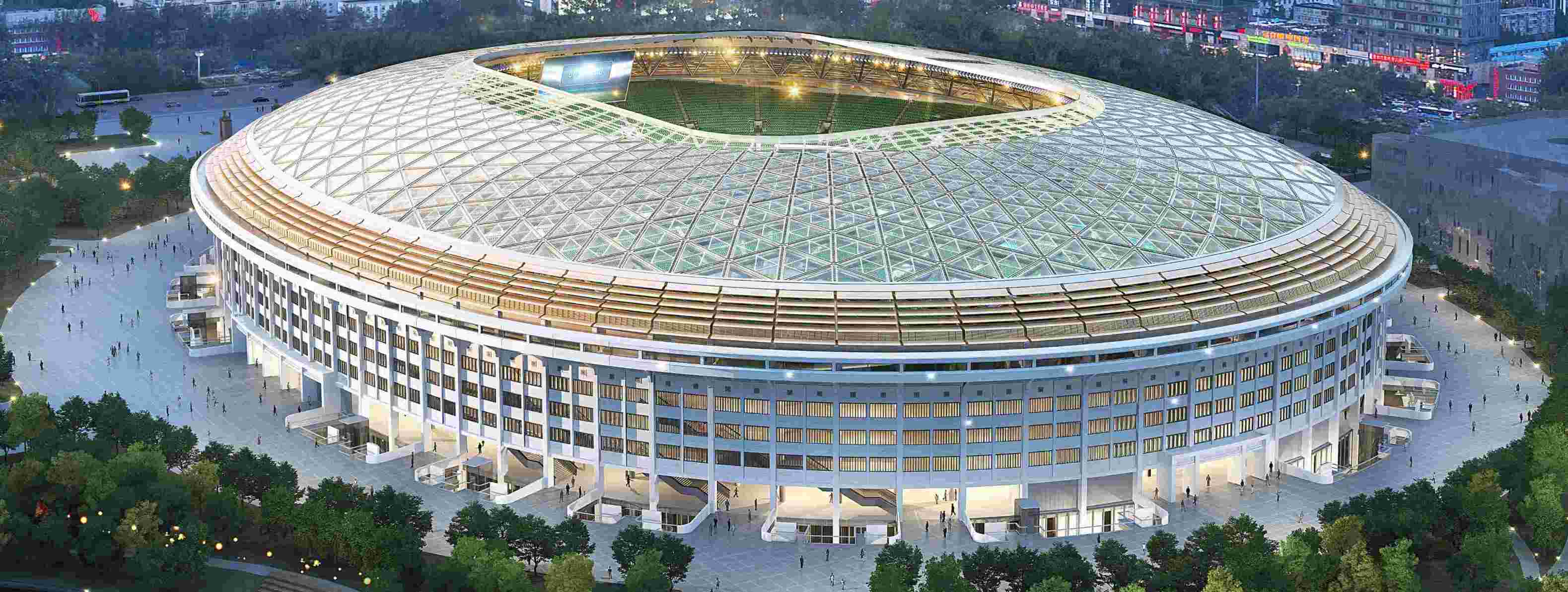
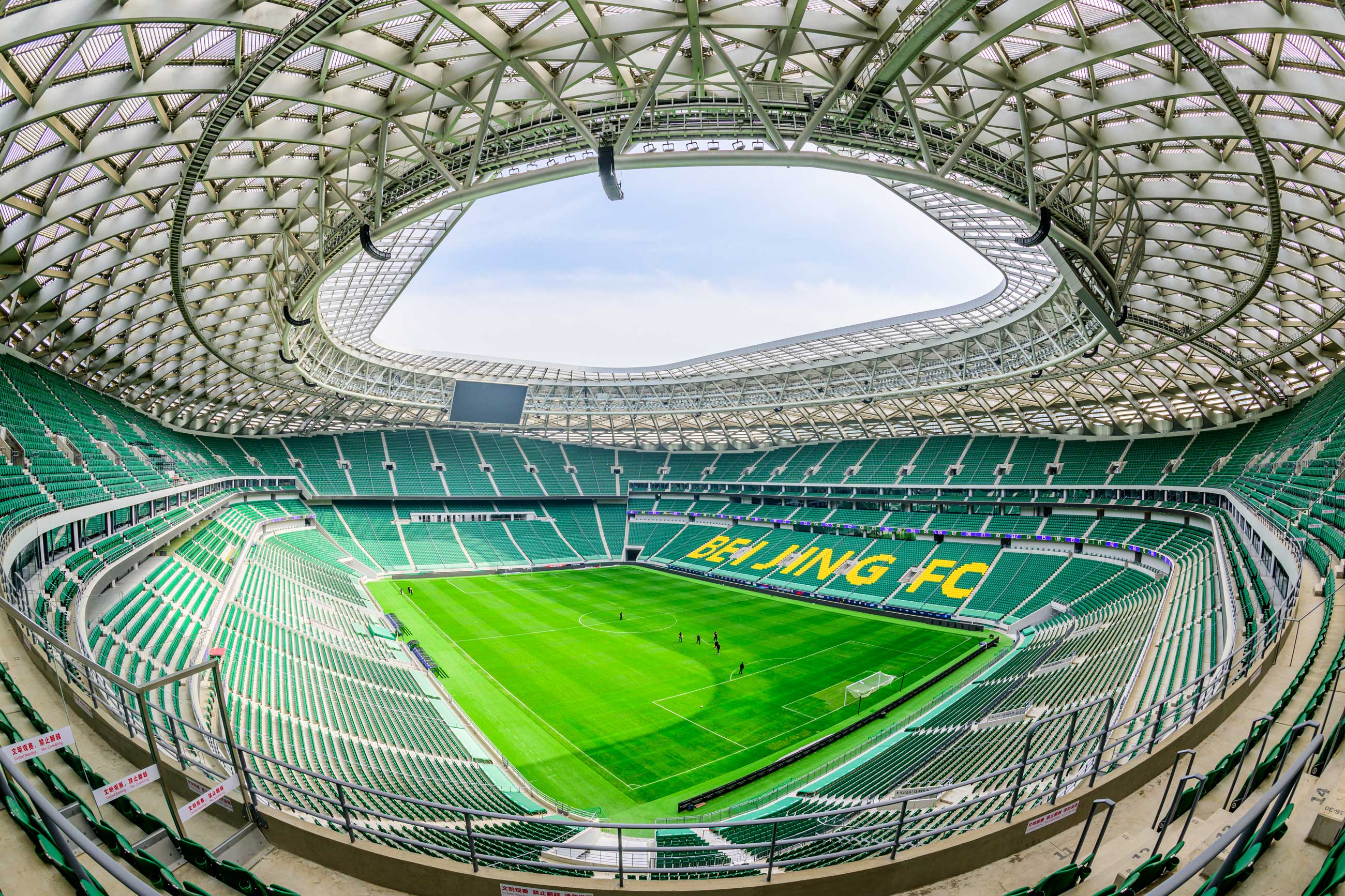
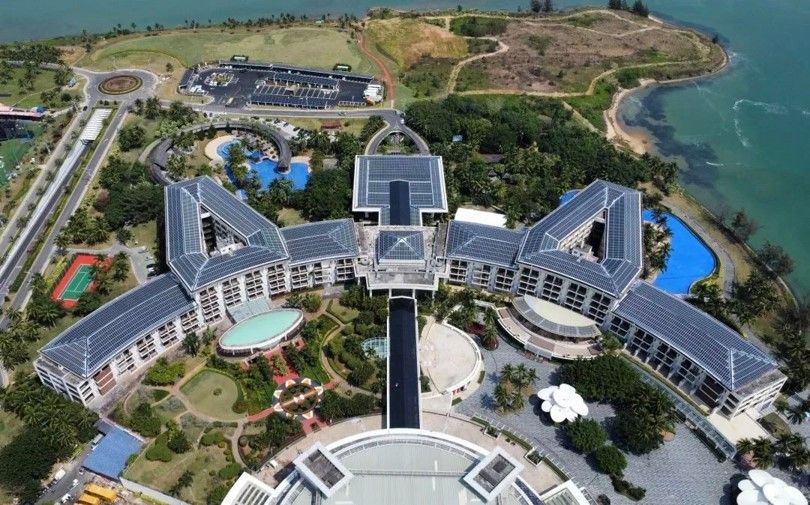
LONGi’s focus on back contact technology reflects this broader transition toward photovoltaics designed not only for energy generation, but also for integration into modern urban infrastructure. The company has already participated in multiple BIPV-related projects ranging from architecturally integrated commercial buildings and headquarters installations to large-scale industrial and public infrastructure applications, including projects such as the Ocean Family complex in Zhejiang, the Beijing Workers’ Stadium redevelopment, and integrated photovoltaic façades at commercial and mixed-use buildings in China.

Lorem ipsum dolor sit amet, consectetur adipiscing elit. Suspendisse varius enim in eros elementum tristique. Duis cursus, mi quis viverra ornare, eros dolor interdum nulla, ut commodo diam libero vitae erat. Aenean faucibus nibh et justo cursus id rutrum lorem imperdiet. Nunc ut sem vitae risus tristique posuere.